
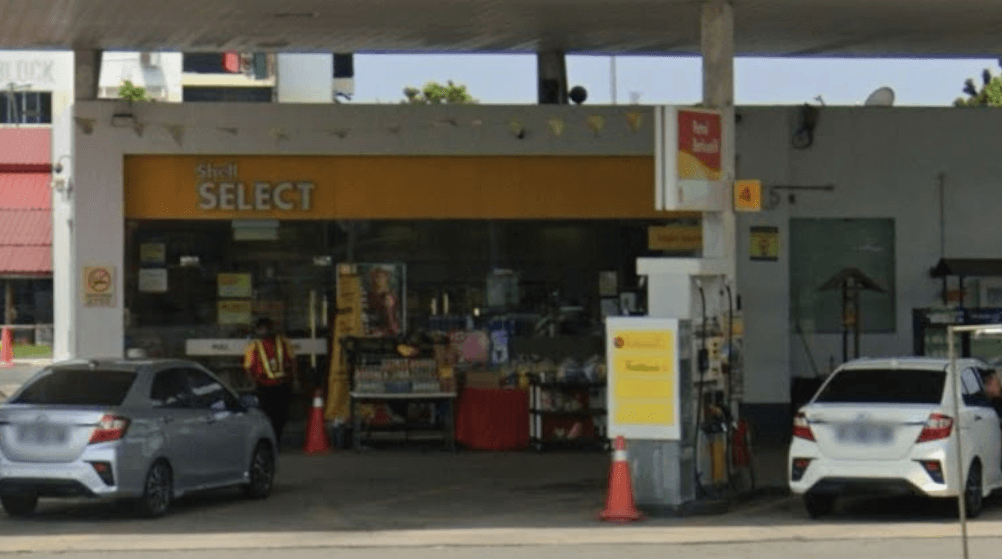
Kuala Lumpur (May 12) - The Federal Government is moving closer to finalising a proposal to reduce or remove RON95 fuel subsidies for higher-income groups, as Putrajaya continues efforts to strengthen the country’s fiscal position and better target public assistance.
Prime Minister Anwar Ibrahim said the government has agreed in principle that fuel subsidies should no longer benefit wealthy Malaysians, though studies are still ongoing to determine the implementation details and income thresholds involved.
Authorities are currently reviewing which income groups should be affected, with discussions reportedly centred on categories such as T5, T10, T15, and T20 earners. The final mechanism has yet to be announced, as policymakers continue assessing economic data and public feedback before making a decision.
The proposed review forms part of the government’s broader subsidy rationalisation strategy aimed at reducing leakages and ensuring public funds are directed toward lower- and middle-income households that require greater financial support.
However, the proposal has also triggered debate among urban higher-income earners, some of whom argue that income classification alone may not accurately reflect actual financial burdens. Concerns have been raised that individuals living in major cities often face high commitments, including housing loans, childcare expenses, transportation costs, and rising living costs despite falling within higher income brackets.
The government has acknowledged these concerns and indicated that further studies are being carried out to ensure any new policy is implemented fairly and effectively without placing undue pressure on affected groups.
At the same time, officials maintain that subsidy reforms are necessary to improve long-term financial sustainability, especially as fuel subsidies continue to cost the government billions of ringgit annually.
For Sabahans, the outcome of the subsidy review could carry significant implications due to the state’s heavy reliance on private vehicles and fuel-dependent transportation.
Many areas in Sabah have limited public transport connectivity, making petrol subsidies particularly important for daily commuting, logistics, and small businesses. If higher-income groups in Sabah are eventually excluded from fuel subsidies, households and businesses may face increased transportation costs.
The impact may be felt differently in Sabah compared to urban areas in Peninsular Malaysia. Even individuals classified within higher income brackets in Sabah may still contend with high travel expenses, inter-district transportation needs, and elevated logistics costs due to geography and infrastructure limitations.
Businesses involved in distribution, agriculture, tourism, and transportation could also see operating costs rise if subsidy reductions affect commercial users or indirectly increase fuel-related expenses.
On the other hand, if savings from subsidy rationalisation are redirected effectively toward lower-income groups and development projects, some Sabahans may benefit through expanded assistance programmes or infrastructure improvements.
Overall, the ongoing review highlights the challenge of balancing fiscal reform with regional realities, as the government works to design a fuel subsidy system that is both financially sustainable and socially equitable across Malaysia, including Sabah.