
Kuala Lumpur (May 17) - The federal government has clarified that its current focus remains on strengthening targeted subsidy programmes under the BUDI MADANI initiative rather than introducing new classifications for high-income earners under the T20 category.
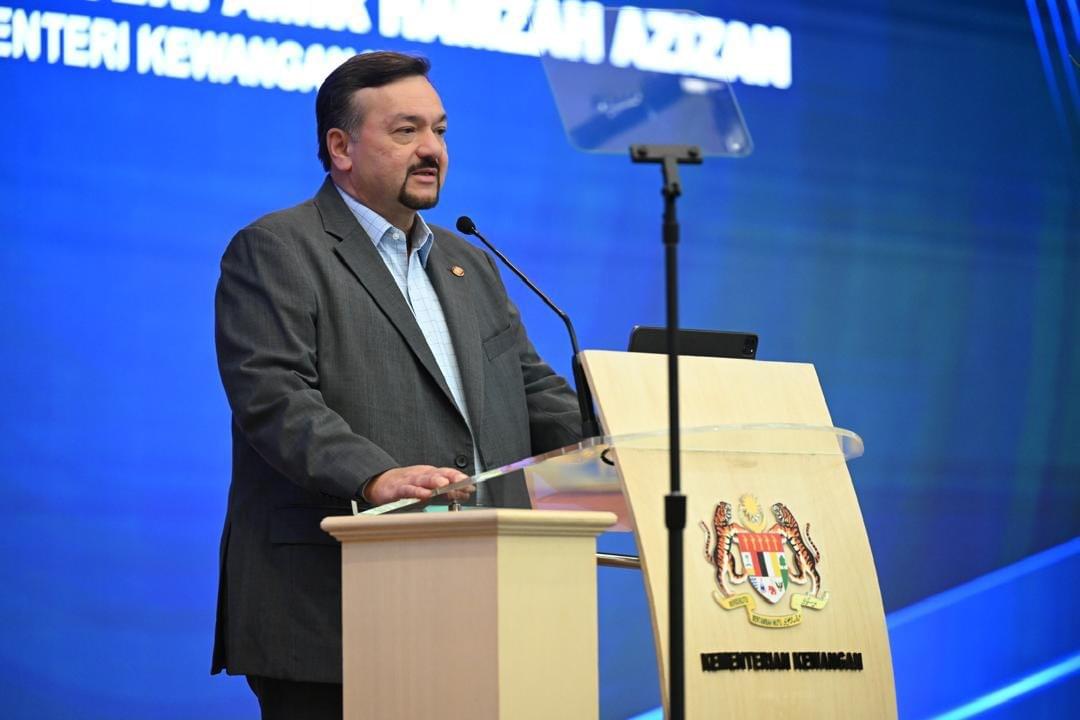
Second Finance Minister Amir Hamzah Azizan said the government is presently concentrating on refining implementation mechanisms involving fuel subsidy assistance programmes, especially those connected to diesel and targeted aid distribution.
According to Amir Hamzah, there have been no formal discussions at this stage regarding the introduction of new income group classifications such as T15 or other revised categories involving top earners.
Instead, he said the priority is ensuring existing targeted subsidy systems function effectively and reach intended recipients properly.
“The focus now is on improving the implementation of BUDI MADANI,” he reportedly said when addressing questions involving possible changes to income classifications.
The minister explained that the government remains committed to improving subsidy delivery mechanisms to minimise leakages while ensuring assistance reaches groups that genuinely require support.
Among the programmes receiving continued attention is BUDI Diesel, which was introduced as part of the targeted subsidy rationalisation exercise involving diesel users and selected sectors.
The government has increasingly shifted toward targeted assistance approaches as part of broader fiscal reform efforts aimed at managing subsidy expenditure more sustainably.
Discussions surrounding T20 classifications have intensified in recent months following debates over whether higher-income groups should continue receiving blanket fuel subsidies under future rationalisation plans.
However, Amir Hamzah indicated that the immediate priority remains improving operational effectiveness within the current framework rather than expanding income categorisation models.
For Sabahans, the government’s position on targeted subsidies carries significant importance due to the state’s higher logistics costs, fuel dependency, and geographical challenges.
Many Sabah residents, especially those in rural and interior districts, remain heavily dependent on fuel for transportation, agriculture, fisheries, and small business operations. Any adjustments involving subsidy mechanisms are therefore likely to attract strong public attention in the state.
The continued focus on BUDI MADANI rather than new T20 classifications may provide temporary reassurance to some consumers concerned about sudden changes to subsidy eligibility thresholds.
At the same time, Sabahans are expected to closely monitor whether targeted subsidy systems can effectively account for East Malaysia’s higher living and transportation costs compared to many parts of Peninsular Malaysia.
Business operators in Sabah, particularly within transport and logistics sectors, may also pay close attention to how diesel-related assistance programmes evolve, given the importance of fuel costs in moving goods across large rural areas and between districts.
Political observers note that subsidy rationalisation remains a sensitive issue in Sabah because rising fuel and transportation costs can quickly affect food prices, household expenses, and supply chain operations throughout the state.
The discussion also highlights wider concerns about whether national income classifications accurately reflect cost-of-living realities in Sabah, where income levels may differ from Peninsular Malaysia while essential goods and transportation expenses often remain comparatively high.
For ordinary Sabahans, the government’s emphasis on refining targeted aid rather than immediately redefining income groups suggests that subsidy reforms are still evolving gradually rather than moving toward abrupt nationwide restructuring.
Overall, the latest remarks indicate that Putrajaya is currently prioritising administrative efficiency and targeted implementation as it continues navigating the politically sensitive issue of fuel subsidy reform.