
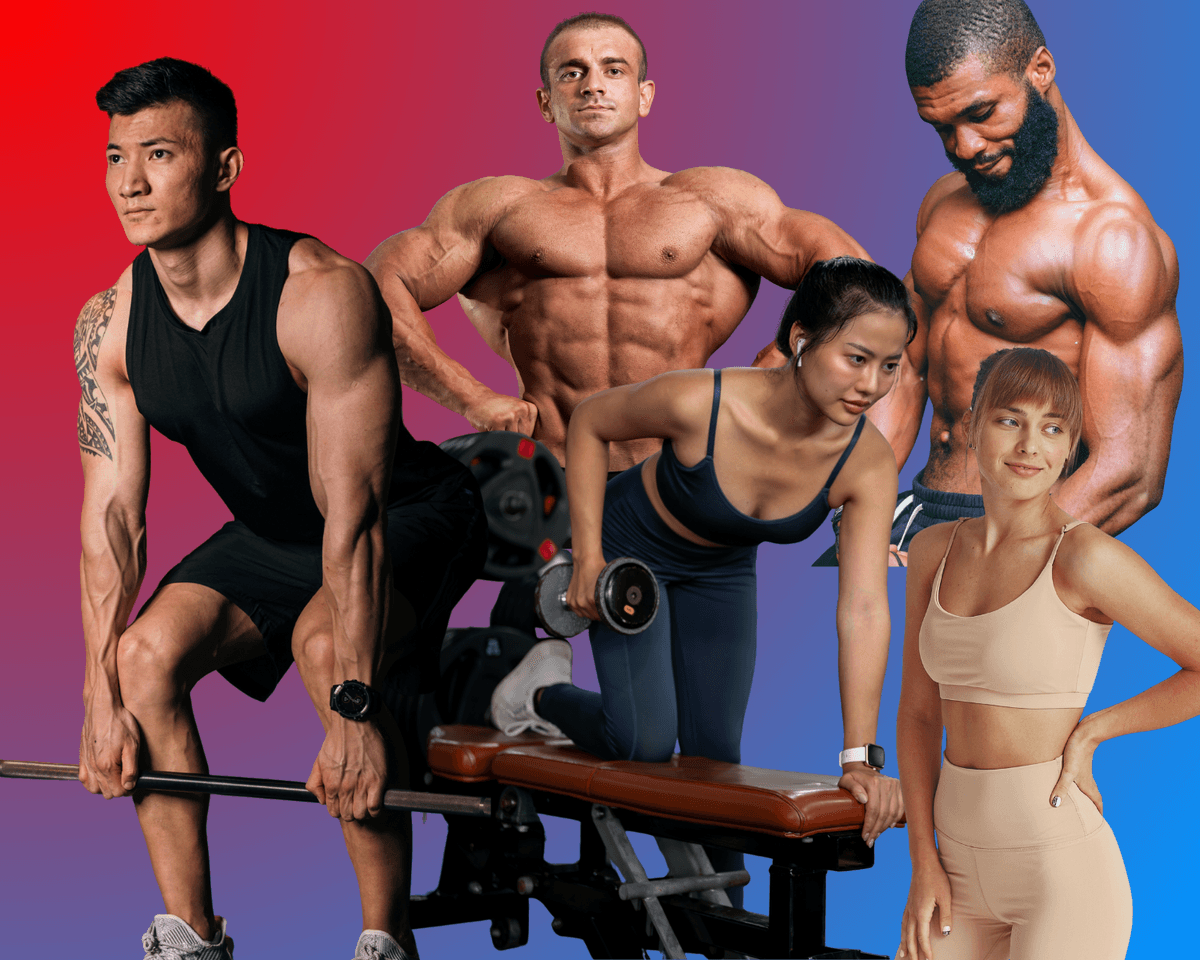
For decades, gym culture was dominated by the pursuit of size — bigger muscles, heavier lifts and physique-driven goals shaped by bodybuilding competitions and social media aesthetics. Today, however, a noticeable shift is taking place across gyms worldwide: the focus is moving from “big body” ideals toward overall health, longevity and functional fitness. This change is reflected in gym programming, member behaviour and public health messaging.
From muscle size to measurable health
Traditional bodybuilding culture prioritised hypertrophy and appearance, often driven by competitive standards set by organisations such as the International Federation of Bodybuilding and Fitness (IFBB). In contrast, modern gym-goers increasingly align their goals with health benchmarks recommended by institutions like the World Health Organization, which emphasises regular physical activity to reduce risks of cardiovascular disease, diabetes and obesity.
Many commercial gyms now promote metrics such as resting heart rate, body fat percentage, mobility and metabolic health rather than purely muscle size. Fitness chains in Asia, Europe and North America report rising demand for personal training programmes focused on weight management, injury prevention and lifestyle coaching rather than aesthetic transformation alone.
Influence of public health data
The shift is closely linked to global health trends. According to World Health Organization data frequently cited in health campaigns, physical inactivity and non-communicable diseases account for a significant proportion of premature deaths worldwide. Governments and health agencies increasingly encourage strength training not for appearance, but for bone density, insulin sensitivity and healthy ageing.
This messaging has filtered into gym culture. Strength training is now commonly marketed as a tool to support joint health, posture and mental wellbeing, particularly among adults over 30 and older populations who are less interested in extreme muscle gain.
Rise of functional and hybrid training
Real-life gym trends show a growing preference for functional training, high-intensity interval training (HIIT), Pilates and mobility-focused workouts. CrossFit affiliates, functional fitness studios and hybrid gyms combining cardio, strength and recovery spaces have expanded rapidly over the past decade. These facilities emphasise performance in everyday movements — lifting, carrying, balance and endurance — rather than purely visual muscle size.
Google Trends analyses frequently referenced by fitness industry reports show sustained interest in search terms related to “functional training,” “mobility workouts” and “low-impact exercise,” while interest in traditional bodybuilding terms has plateaued in several regions.
Social media and changing role models
Social media once amplified “big body” ideals through bodybuilding influencers and physique comparisons. Today, platforms such as Instagram, TikTok and YouTube increasingly feature fitness professionals promoting sustainable routines, mental health awareness and realistic body standards. Certified physiotherapists, sports scientists and medical doctors with large online followings often stress recovery, sleep and consistency over extreme training volumes.
Well-known athletes transitioning from competitive bodybuilding to wellness advocacy have also influenced perceptions, openly discussing burnout, injury risks and long-term health consequences associated with excessive bulking and cutting cycles.
Mental health and sustainability
Mental health awareness has further reshaped gym culture. Studies commonly cited in sports psychology literature link excessive appearance-focused training with anxiety, body dysmorphia and disordered eating patterns. In response, many gyms now integrate mindfulness, yoga and recovery sessions into their schedules.
Gym operators report higher long-term member retention when programmes are framed around feeling stronger, healthier and more energetic rather than achieving a specific body size. This aligns with behavioural research showing that health-based goals are more sustainable than appearance-driven motivation.
The balance between strength and health
The trend does not signal the end of muscle-building. Strength and hypertrophy remain important components of fitness, particularly for injury prevention and metabolic health. However, the modern approach places muscle development within a broader health framework — balanced nutrition, adequate recovery, cardiovascular fitness and mental wellbeing.
Professional organisations such as the American College of Sports Medicine consistently highlight resistance training as beneficial when performed safely and progressively, reinforcing the idea that muscle gain should support health rather than replace it as the primary goal.
Final thoughts
The gym trend is no longer a simple choice between “big body” or “health,” but a recalibration of priorities. Real-world data, public health guidance and consumer behaviour all point toward a more holistic fitness culture. As gyms evolve, the definition of success is shifting — from how big someone looks, to how well they move, feel and function over the long term.
By Joan Jim