
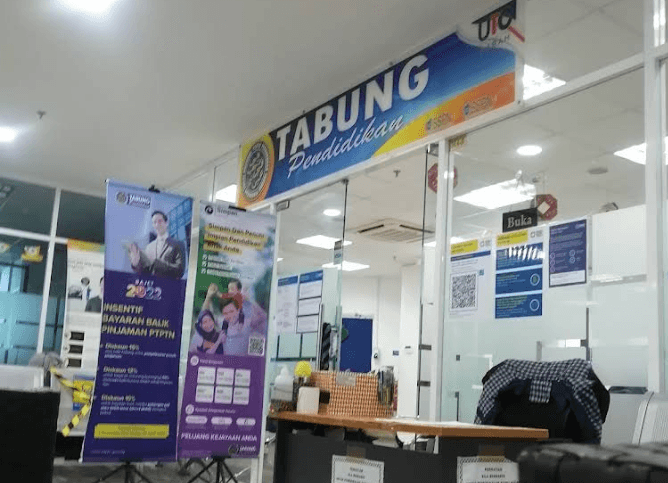
Kota Kinabalu (March 3) - The Ministry of Higher Education (MOHE) is reviewing a proposal to widen the scope of the National Higher Education Fund Corporation (PTPTN) free education initiative to include underprivileged students enrolled in private higher education institutions.
Deputy Higher Education Minister Adam Adli Abd Halim said discussions have taken place at the ministry level to consider extending the Anak eKasih Scholarship to eligible students studying at state government-owned universities, which are officially classified as private institutions.
He pointed out that although these universities fall under the private category, many of their students do not come from affluent backgrounds. The minister has emphasised the need for a more inclusive approach to ensure financially challenged students are not excluded solely due to their institution’s classification.
Adam said the ministry intends to move towards a broader framework but must also take into account the government’s current fiscal position, as public expenditure remains high. Despite financial constraints, he stressed that efforts will continue to explore ways to extend support to deserving students in private universities in the future. He was responding to a supplementary question from Senator Datuk Prof Emeritus Dr Mohammad Redzuan Othman during a Dewan Negara session on March 3.
At the same sitting, Adam addressed a question from Senator Norhasmimi Abdul Ghani regarding monitoring mechanisms for the free education initiative, which currently benefits 10,000 underprivileged students. He explained that recipients are not allowed to receive multiple study sponsorships simultaneously, ensuring fair and transparent distribution of government funds.
Each application is carefully cross-checked against the eKasih database as well as records from other major sponsoring bodies before approval is granted. Screening procedures have also been tightened, and any sponsorship will be revoked immediately if a recipient is found to have violated the terms or submitted false information.
For Sabahans, particularly students from low-income families studying at state-owned universities classified as private institutions, the proposed expansion could open the door to greater access to financial assistance. This would help ease the burden on families facing rising education costs while ensuring aid reaches those who genuinely qualify through strict monitoring and verification processes.