
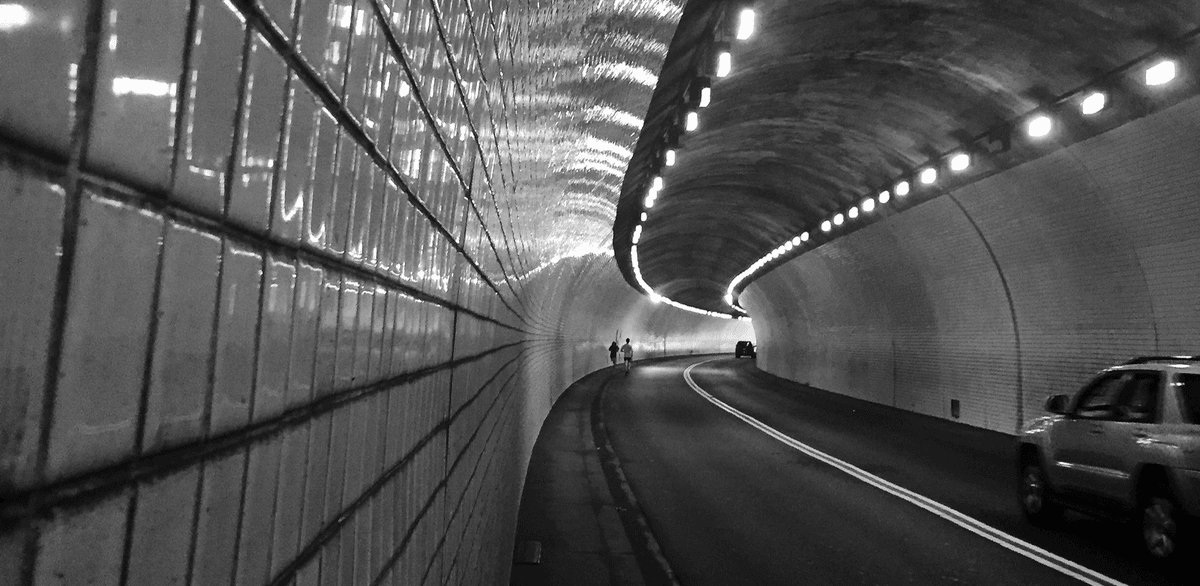
Kuching (May 21) - A major infrastructure breakthrough is taking shape under the second phase of the Sarawak-Sabah Link Road (SSLR) project, with the construction of Sarawak’s first highway tunnel expected to significantly improve travel efficiency between remote areas in northern Sarawak and Sabah.
The tunnel, measuring approximately 2.24 kilometres, is being developed as part of the SSLR Phase 2 package and will cut travel distance from 22.4 kilometres to only seven kilometres along a mountainous section of the route.
The project is expected to reduce travel time substantially while improving safety and accessibility in areas previously affected by difficult terrain and winding road conditions.
According to reports, the tunnel will pass through challenging highland areas near the border regions linking northern Sarawak with Sabah, making it one of the most technically ambitious road infrastructure developments currently underway in East Malaysia.
Sarawak Deputy Premier Douglas Uggah Embas reportedly described the project as a major milestone for infrastructure development in the region, highlighting its importance in strengthening connectivity between rural communities and economic centres.
The SSLR project was originally introduced as a strategic alternative route to improve land transportation between Sabah and Sarawak while reducing dependency on roads passing through Brunei.
The broader SSLR network spans hundreds of kilometres and is intended to improve mobility, logistics efficiency, and economic integration across East Malaysia.
Infrastructure planners believe the tunnel component could become one of the project’s most important engineering achievements due to the geographical complexity of the surrounding terrain.
For Sabahans, the tunnel development could eventually bring meaningful improvements to inter-state travel, logistics movement, tourism access, and economic connectivity involving northern Sabah and neighbouring Sarawak regions.
Road connectivity has long remained one of East Malaysia’s biggest infrastructure challenges due to mountainous terrain, scattered rural settlements, and limited transport alternatives in certain areas.
The shorter route created by the tunnel is expected to improve transportation efficiency for goods and travellers moving between Sabah and Sarawak, particularly for commercial operators, logistics companies, and transport services dependent on overland routes.
Business groups in Sabah may also view the SSLR project positively as improved road infrastructure could lower transportation costs and strengthen trade links involving agricultural products, construction materials, retail supplies, and industrial goods.
Tourism operators may benefit as well if improved road access encourages greater domestic tourism movement between Sabah and Sarawak, especially involving rural destinations and eco-tourism areas.
For residents in border and interior districts, better road infrastructure could potentially improve access to healthcare, education, government services, and commercial opportunities that were previously more difficult to reach.
The project also reflects growing emphasis by East Malaysian leaders on strengthening regional infrastructure independence and reducing long-standing connectivity gaps between Sabah, Sarawak, and Peninsular Malaysia.
At the same time, infrastructure observers note that major projects involving mountainous terrain often face engineering, environmental, and cost-management challenges that require careful long-term execution.
Environmental considerations may also remain an important issue given the ecological sensitivity of some forested and highland areas surrounding the project corridor.
Still, many Sabahans are likely to see the tunnel development as a symbol of long-awaited progress in East Malaysian infrastructure planning, particularly as Sabah and Sarawak continue pushing for stronger development parity within the federation.
Overall, the SSLR tunnel project represents not only an engineering milestone for Sarawak, but also a potentially transformative connectivity upgrade that could strengthen economic and social integration across both Borneo states.
Pic: For illustration only