
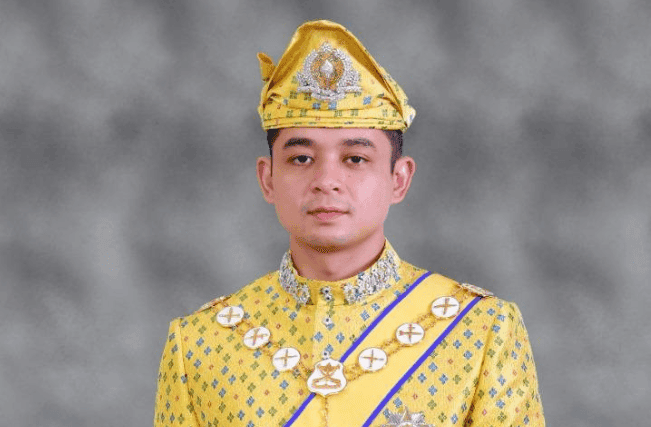
Kuantan (May 24) - The Regent of Pahang, Tengku Hassanal Ibrahim Alam Shah, has called for all military training activities and exercises conducted within Pahang to first receive the consent of the Sultan of Pahang, citing concerns over environmental protection and local sensitivities.
In a statement issued through Istana Abdulaziz on May 24, Tengku Hassanal said military drills, particularly those involving island areas within the state, must be carefully managed to ensure they do not negatively affect Pahang’s natural ecosystem, wildlife and environmental resources.
The Regent stressed that he was not opposed to military training or exercises aimed at strengthening the capabilities of the Malaysian Armed Forces (MAF). However, he said such activities should be carried out responsibly, with proper coordination and consideration for environmental preservation.
According to the decree, all military exercises involving the armed forces and related agencies in Pahang must first be communicated to and approved by the Sultan of Pahang, Al-Sultan Abdullah Ri’ayatuddin Al-Mustafa Billah Shah.
Tengku Hassanal also warned that action could be requested from the state government should any party fail to comply with established procedures.
The statement has sparked national attention as discussions continue over the balance between defence preparedness, environmental conservation and state-level oversight.
In response, the Malaysian Armed Forces said it respects the decree and remains committed to conducting all operations and training exercises in a professional and responsible manner. The military added that existing activities already comply with operational guidelines, environmental assessments and safety procedures established by relevant authorities.
The National Security Council (NSC) later stated that military exercises would continue to undergo strict approval processes involving state governments, technical agencies and security committees to ensure public safety and environmental considerations are addressed.
The issue has also drawn broader discussion due to Pahang’s extensive coastline and island ecosystems, which include environmentally sensitive marine and forest areas. Concerns over conservation have become increasingly prominent in recent years as development, tourism and resource-related activities continue to expand across parts of the state.
For Sabahans, the discussion highlights a familiar challenge faced by states rich in natural resources and biodiversity — balancing national development and security requirements with environmental protection. Sabah itself has frequently faced debates surrounding conservation, land use, marine ecosystems and the management of protected areas.
The latest remarks from Tengku Hassanal place renewed focus on how military, environmental and governmental stakeholders can work together to ensure national security needs are met without compromising ecological sustainability.