
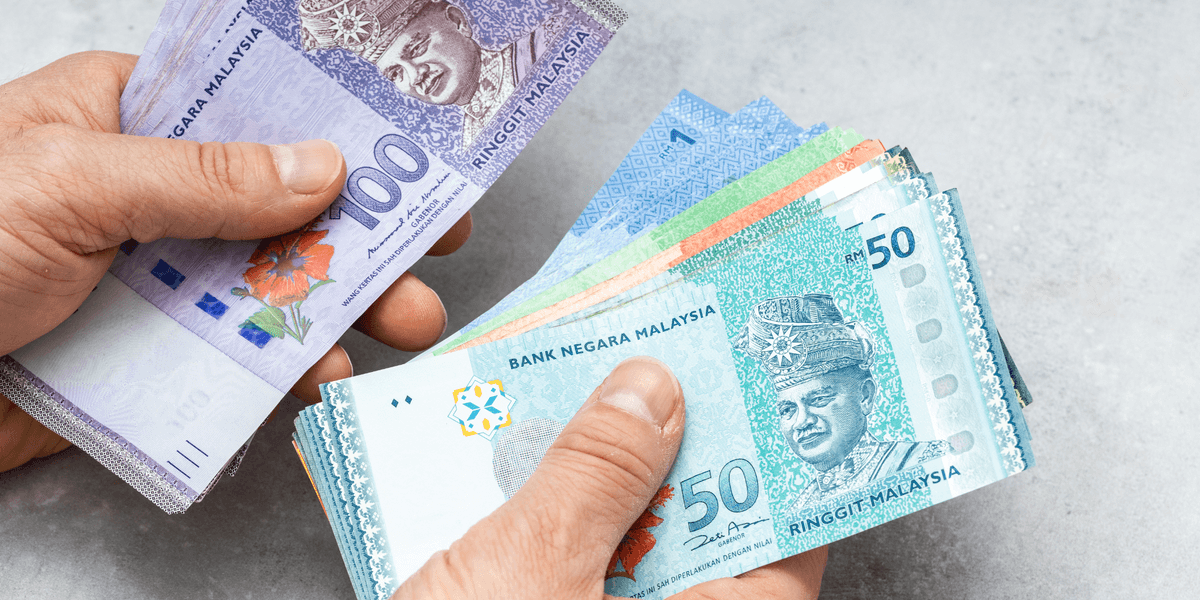
Kota Kinabalu (May 14) - The Malaysian ringgit continued to show resilience in currency trading, strengthening against most major and regional currencies even as it recorded a slight decline against the US dollar.
The local currency was reported to have opened firmer against the greenback for the seventh consecutive trading session before easing slightly later in the day due to renewed demand for the US dollar in global markets.
Market analysts said the ringgit’s broader performance was supported by improving investor sentiment, expectations surrounding Malaysia’s economic outlook, and continued interest in emerging Asian currencies. However, global economic uncertainties and cautious trading activity continued to influence movements against the US dollar.
Despite the minor pullback, the ringgit still performed better against several key currencies including the Japanese yen, euro, Singapore dollar, and British pound during trading.
Economists noted that the local currency’s recent stability reflects improving confidence in Malaysia’s fiscal and monetary direction, although external factors such as US interest rate expectations and geopolitical developments remain important influences on market sentiment.
The ringgit’s movements are being closely monitored by businesses, investors, exporters, and consumers as currency fluctuations continue affecting import costs, overseas spending, and overall economic activity.
For Sabahans, the ringgit’s performance carries direct implications due to the state’s heavy dependence on imported goods and logistics-linked supply chains.
A stronger ringgit against several foreign currencies could help reduce the cost of imported products, electronics, machinery, and certain food items entering Sabah. This may provide some relief to businesses and consumers already facing high living costs.
Retailers and importers in Sabah, particularly those sourcing goods from overseas markets, may benefit from improved purchasing power if the ringgit maintains its strength over time.
However, the ringgit’s weaker position against the US dollar still presents challenges. Many globally traded commodities and imported products remain linked to the US currency, meaning transportation, fuel-related costs, and some imported goods could remain expensive.
For Sabah’s tourism sector, currency movements may also influence travel patterns. A relatively stable ringgit could encourage domestic tourism while remaining attractive enough for foreign visitors looking for value-for-money destinations such as Kota Kinabalu, Semporna, and Sandakan.
Students, businesses, and Sabahans involved in overseas transactions may also continue monitoring exchange rates closely, especially for education fees, imported equipment, and international payments.
Overall, the ringgit’s recent performance reflects cautious optimism in the Malaysian economy, though Sabahans are likely to remain attentive to whether currency stability eventually translates into lower costs and improved affordability in daily life.