
Kundasang – As Malaysia and Indonesia move toward a joint management agreement for the resource-rich Ambalat Block, calls are growing for Sabah’s direct involvement in the decision-making process.
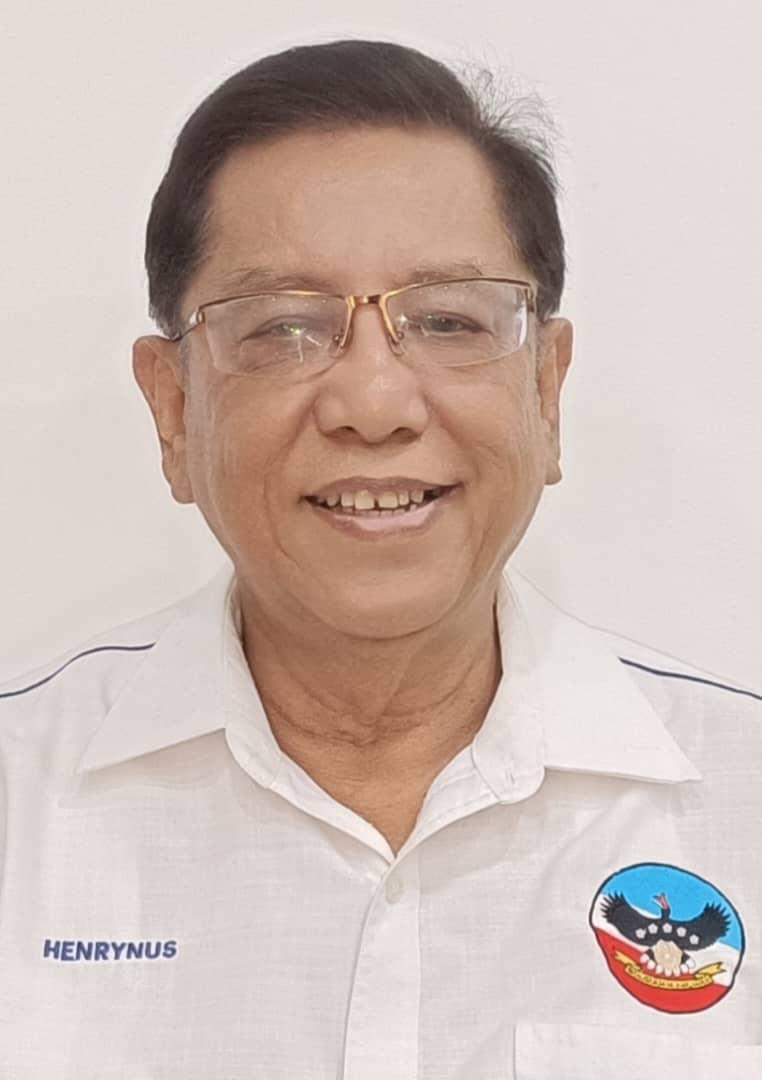
Parti Kerjasama Anak Negeri (PKAN) President Datuk Henrynus Amin has issued a strong statement, urging the Federal Government to ensure Sabah’s interests are prioritized in any negotiations concerning the disputed maritime zone in the Celebes Sea.
"No More Backroom Deals" – Sabah Must Be Consulted
Henrynus stressed that past mistakes, where Sabah’s territories and resources were negotiated without state input, must not be repeated.
"The people of Sabah deserve a voice when decisions about their future and resources are being made," he said. "We cannot allow another situation where our boundaries or assets are decided behind closed doors in Putrajaya."
His remarks come after reports that Malaysia and Indonesia reached an agreement on June 27 to jointly manage the Ambalat Block—a region believed to hold substantial oil and gas reserves.
Lessons from History: The Loss of Blocks L & M
Henrynus pointed to the controversial 2009 Exchange of Letters between Malaysia and Brunei, which saw Blocks L and M—two lucrative offshore oil and gas exploration areas—ceded to Brunei without Sabah’s consent.
"The Federal Government recognized Brunei’s sovereignty over these blocks, effectively altering Sabah’s boundaries without our approval," he said. "This cannot happen again with Ambalat."
Why Sabah’s Involvement Matters
The Ambalat Block, located near the maritime border between Sabah and Indonesia’s North Kalimantan, has long been a point of contention. Indonesia has claimed the area since 1980, citing its Exclusive Economic Zone (EEZ) under the Djuanda Declaration.
However, Henrynus argued that international law increasingly supports the rights of affected populations in such disputes.
"The principle of Free, Prior, and Informed Consent (FPIC) is crucial here," he said. "Whether it’s indigenous lands or maritime resources, local stakeholders must have a say in decisions that impact their future."
Joint Management Now – But What About the Future?
While the current agreement focuses on cooperative resource management, Henrynus warned that any long-term exploitation of Ambalat’s resources must involve Sabah’s government and local communities.
"This isn’t just about oil and gas—it’s about Sabah’s sovereignty and the rights of our people," he emphasized. "We will not stand by silently while decisions are made over our heads."
What’s Next?
With negotiations ongoing, PKAN and other Sabah leaders are pushing for:
✔ Formal consultation with the Sabah State Government before any final agreements are signed.
✔ Transparency in discussions to ensure Sabah’s territorial and economic rights are protected.
✔ Legal safeguards to prevent another unilateral cession of Sabah’s resources.
A Call for Fairness and Respect
As the Ambalat issue unfolds, Sabahans are watching closely. The message is clear: No more decisions about Sabah, without Sabah.