
Kota Kinabalu (Dec 12) - Sabah marked a major milestone in its energy sector with the launch of the Lahad Datu Battery Energy Storage System (BESS Lahad Datu), the largest facility of its kind in Malaysia and Southeast Asia.
Chief Minister Datuk Seri Hajiji Noor said the project, implemented under Sabah Electricity, is aimed at strengthening grid stability, cutting dependence on diesel-powered generation and facilitating greater use of renewable energy in the state.
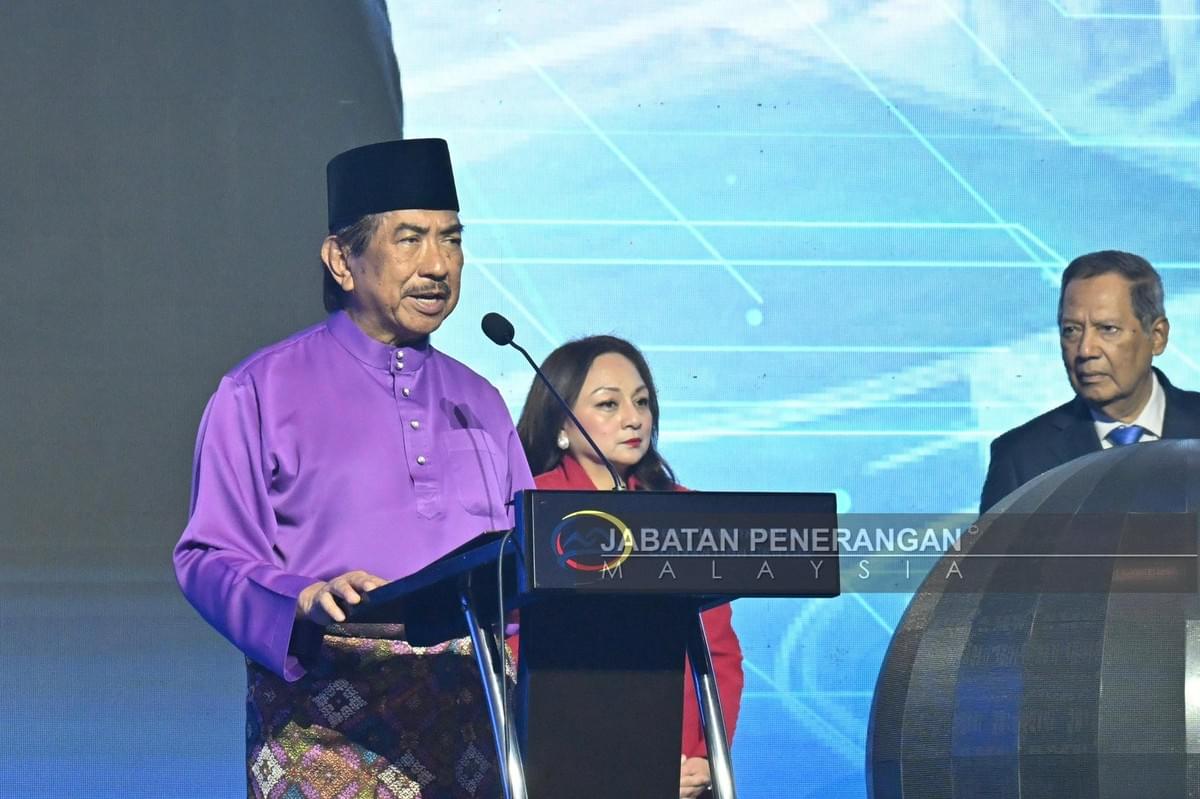
He said the initiative reflects the state government’s commitment to providing a reliable, adequate and affordable electricity supply, while reducing the likelihood of power disruptions on Sabah’s East Coast and improving residents’ quality of life. His speech was delivered by Deputy Chief Minister I Datuk Seri Dr Joachim Gunsalam, who is also the Minister of Works and Utilities, at the launch ceremony officiated by the Yang di-Pertua Negeri Sabah, Tun Musa Aman, at the Sabah International Convention Centre on Friday.
The BESS Lahad Datu facility has a power capacity of 100 megawatts (MW) and an energy storage capacity of 400 megawatt-hours (MWh). Hajiji said the project is among several strategic initiatives being planned and rolled out under the Sabah Energy Roadmap and Masterplan 2040 (SERAMP 2040).
He explained that SERAMP 2040 serves as the main framework guiding Sabah’s energy development, anchored on three key pillars: energy security, affordability of costs and environmental sustainability. According to him, these efforts are crucial in supporting socioeconomic growth and enhancing the wellbeing of people across the state.
Hajiji also noted that the transfer of authority over electricity supply and renewable energy regulation from the federal government to Sabah in January last year has allowed the state to develop its own policies and regulations, while accelerating energy-related projects through the Energy Commission of Sabah (ECoS).
To strengthen power generation capacity, he said the state government has approved almost 1,000MW of new generation from renewable sources, including hydroelectric, solar and wind energy.
In addition, ECoS has called for large-scale solar (LSS) bids for solar power plant developments ranging from 1MWac to 15MWac in 2024. As a result, 15 projects with a combined capacity of 199MW on the West Coast and 86MW on the East Coast have been approved.
Hajiji added that taking into account both current and upcoming projects, Sabah’s LSS capacity is projected to surpass 350MW by 2027, accounting for about 23 per cent of the state’s total electricity generation capacity.