
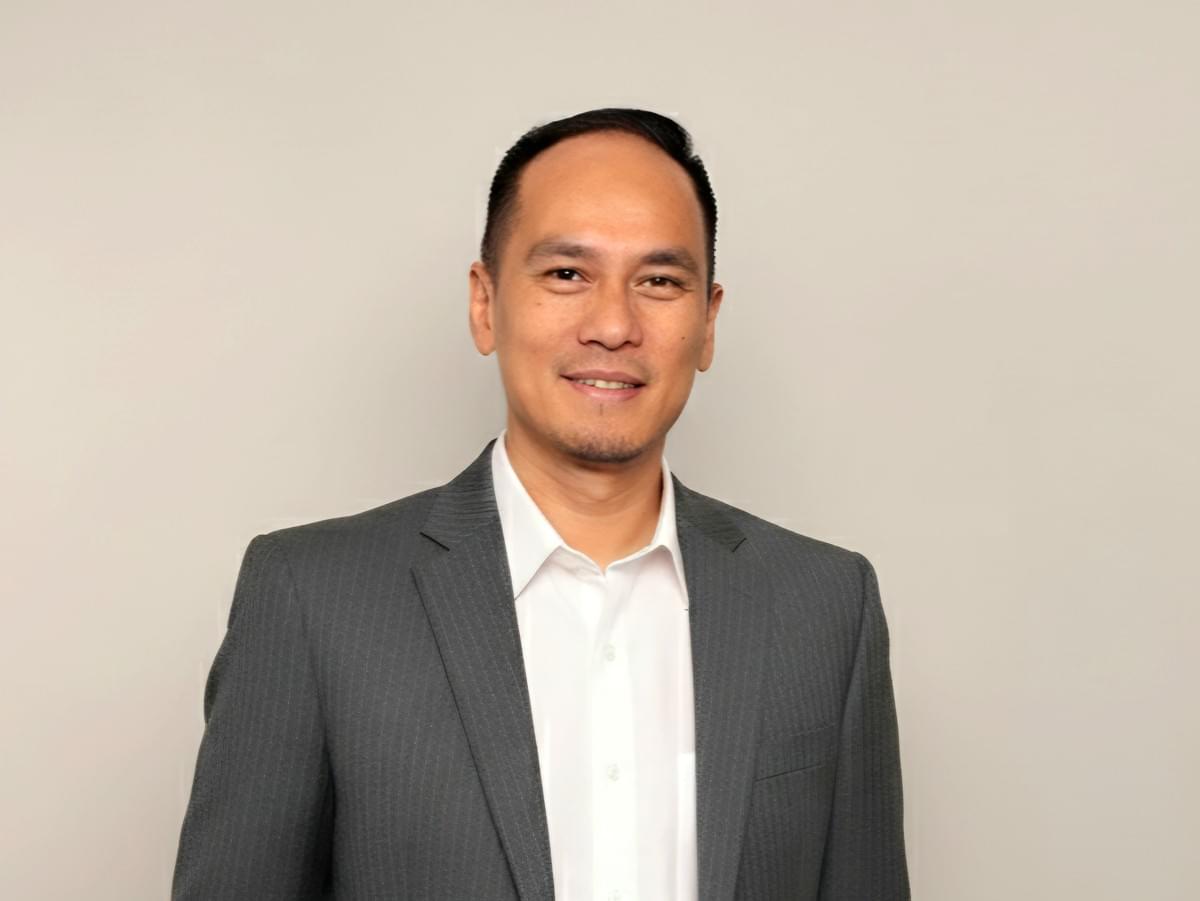
Kota Kinabalu (Mar 25) - Expanding solar energy development is critical to strengthening Sabah’s long-term power resilience, according to Sabah Human Development and Empowerment Association (SAHDEA) president Arthur Erik (pic).
He said the state is in a strong position to tap into solar power due to its consistent tropical climate, yet much of this potential remains largely underutilised. By scaling up renewable energy efforts, Sabah could reduce its vulnerability to supply disruptions while building a more stable and sustainable electricity system.
Arthur pointed out that reliance on conventional fuels continues to expose Sabah to fluctuations in global energy markets, which can affect both electricity costs and supply reliability. Transitioning towards solar energy, he explained, would help cushion the state against such uncertainties while offering more predictable pricing over time.
As a practical starting point, he proposed the development of solar farms in every major town across Sabah, prioritising areas with the highest levels of economic activity such as Kota Kinabalu, Sandakan, and Tawau. These locations, he said, would yield the greatest immediate impact due to their higher energy demand from commercial and industrial sectors.
He outlined a hypothetical model in which each solar farm could span approximately 250 to 400 acres, generating between 120MW and 180MW of electricity. Based on current industry benchmarks, each project could require an estimated investment of RM500 million to RM800 million, depending on scale and infrastructure requirements.
Collectively, a network of just five to six such solar farms across key towns could contribute up to 700MW of renewable capacity. Arthur noted that this could potentially reduce Sabah’s dependence on fuel-based generation by as much as 20% to 30% over time.
In terms of cost savings, he estimated that stabilising energy generation through solar could help the state save between RM200 million and RM400 million annually in fuel-related expenses, particularly during periods of high global energy prices. These savings, he added, could eventually translate into more stable tariffs for consumers.
Arthur also emphasised the need for stronger coordination among regulators, utility providers, and private investors to accelerate implementation. Streamlining approval processes and introducing investor-friendly policies, he said, would be key to ensuring these projects materialise within a reasonable timeframe.
He further highlighted the importance of decentralised energy solutions, encouraging households and businesses to adopt rooftop solar systems to complement large-scale developments. This dual approach, he said, would reduce pressure on the grid while empowering consumers to manage their own energy costs.
Beyond infrastructure, the expansion of solar energy could create new employment opportunities in installation, engineering, and maintenance, contributing to economic growth across Sabah.
For Sabahans, the shift represents more than just a cleaner energy source. Arthur stressed that it offers a pathway to improved supply reliability, long-term cost stability, and greater energy independence.
“Sabah has the resources and the demand to make solar energy a cornerstone of its power strategy. The next step is to act decisively and start where it matters most,” he said.