
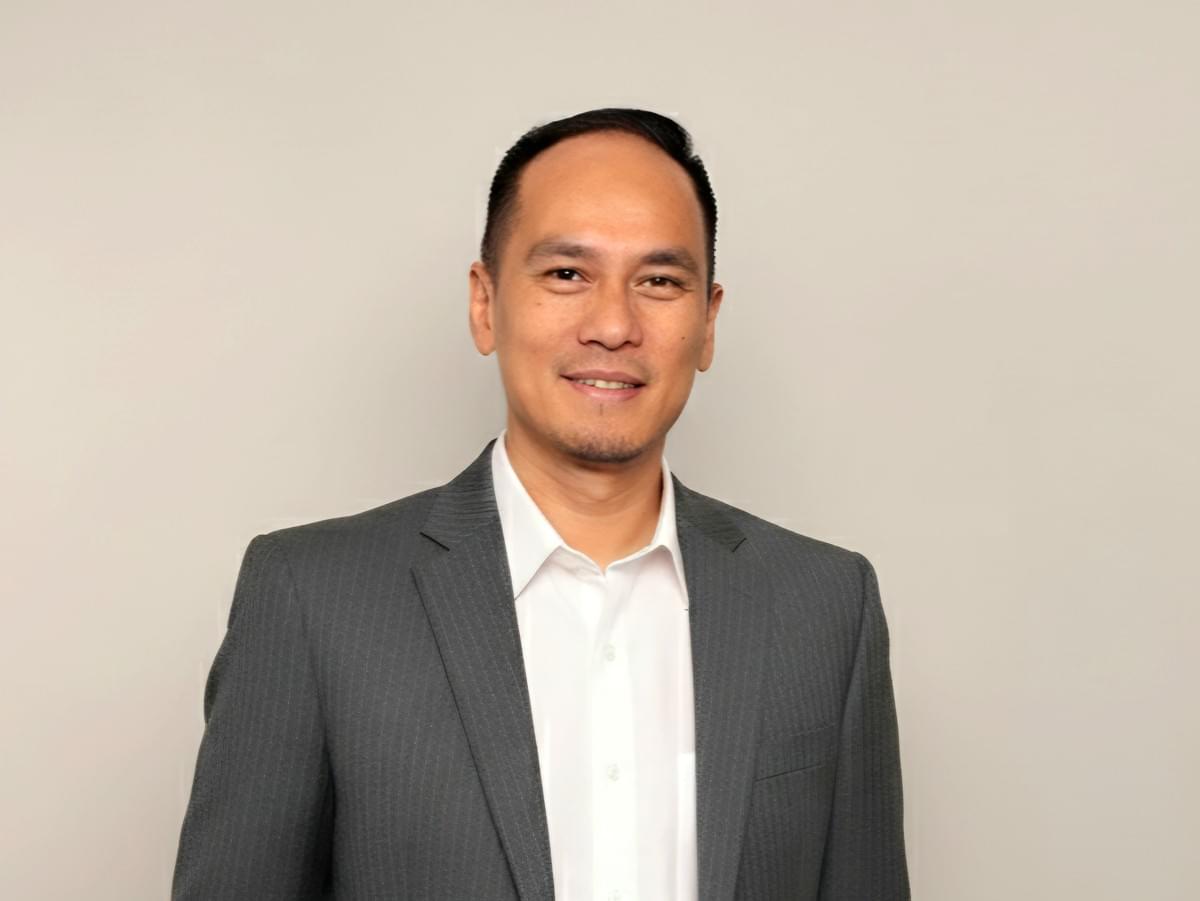
In Sabah, the term "creative industry" often feels like a misnomer. Unlike the structured, well-supported creative ecosystems in Kuala Lumpur or Penang, Sabah’s creative scene is fragmented—a loose collection of small clusters struggling to survive without a cohesive framework. As President of SAHDEA, an organization dedicated to human capital development in Sabah, I have witnessed firsthand the challenges faced by local artists, musicians, filmmakers, and digital creators. The reality is stark: Sabah’s creative sector is not yet an "industry" in the true sense, and without urgent intervention, its potential may remain untapped.
A Fragmented Ecosystem, Not an Industry
The creative economy in Sabah is best described as scattered initiatives rather than a unified sector. Independent musicians, visual artists, and digital content creators operate in isolated pockets, with little cross-collaboration or institutional support. According to a 2022 report by the Department of Statistics Malaysia (DOSM), Sabah’s contribution to the national creative economy was less than 2%, paling in comparison to regions like Selangor and Johor.
Clusters such as Kota Kinabalu’s indie music scene, Tamparuli’s woodcraft artisans, and Keningau’s traditional weavers show promise, but they lack sustainability. Many collectives dissolve within a few years due to financial instability. For instance, many grassroots arts collectives, including Kadazandusun cultural initiatives, struggle to sustain operations due to inconsistent funding. A 2021 report by Kraftangan Malaysia noted that over 60% of Sabah’s craft-based micro-enterprises cited "lack of financial support" as their top challenge—a trend likely mirrored in other creative sectors.
Government Support: A Missing Link
While the federal government has rolled out initiatives like MyCreative Ventures and the Cultural Economy Development Agency (CENDANA), Sabah’s creative practitioners rarely benefit. A 2023 parliamentary reply revealed that only RM1.8 million out of RM50 million in MyCreative funding was allocated to Sabah-based projects between 2020-2022.
State-level policies are equally lacking. Unlike Sarawak, which launched the Sarawak Digital Creative Industry Plan (2021-2025), Sabah has no dedicated roadmap for creative sector growth. The Sabah State Ministry of Youth and Sports occasionally sponsors small-scale arts events, but these are ad-hoc measures, not systemic support.
The Way Forward: Policy, Funding, and Infrastructure
For Sabah’s creative clusters to evolve into a true industry, three key interventions are needed:
- A State-Level Creative Industry Blueprint – Sabah must establish its own creative economy framework, outlining clear strategies for funding, training, and market access.
- Increased Federal Funding Allocation – Advocacy is needed to ensure Sabah receives equitable access to national creative grants, similar to what Penang and Sarawak enjoy.
- Public-Private Partnerships – Corporate sponsorships and CSR programs should be encouraged to support local talent. SAHDEA has initiated talks with several firms, but broader engagement is crucial.
Conclusion: Sabah’s Creative Potential Must Not Be Wasted
Sabah is rich in cultural diversity and raw talent, but without structured support, its creative sector will remain stagnant. It is time for policymakers to recognize this sector’s economic potential—before more clusters fade into obscurity.
As SAHDEA continues to push for change, I urge stakeholders at both state and federal levels to act. The creative industry is not a luxury; it is a viable economic driver waiting to be unleashed.
Arthur E. Undan-Lee is the President of SAHDEA and an advocate for Sabah’s human capital development. The views expressed are his own.