
Sabah, Malaysia's eastern gem blessed with abundant natural resources and strategic location, continues to lag behind national development benchmarks. While frequent political shifts are often cited as the primary culprit, a closer examination reveals a more complex reality. While political instability undeniably plays a disruptive role, the deeper roots of Sabah's derailed development lie predominantly in persistent financial constraints and a chronic issue of uncontrolled government spending and financial leakage.
The Undeniable Drag of Political Instability
Sabah's political landscape has been notably fluid. Since 2018, the state has seen multiple changes in government leadership, both at the state level and influenced by federal shifts. The constant churn impacts policy continuity. Ambitious long-term plans, like the Sabah Maju Jaya (SMJ) development blueprint launched in 2021, risk being deprioritized or altered with each administration change, delaying implementation and eroding investor confidence crucial for large-scale infrastructure and economic projects. Political maneuvering can divert attention and resources away from core developmental governance.
Financial Constraints: The Structural Handcuff
However, attributing Sabah's struggles solely to politics overlooks a fundamental constraint: chronic underfunding relative to needs and entitlements.
- Revenue Limitations: Sabah's revenue base remains heavily reliant on federal grants and oil/gas royalties. Despite constitutional provisions (like the 40% net revenue entitlement under Article 112C and Part IV of the Tenth Schedule), achieving this figure has been a decades-long struggle. The state government consistently argues that the current returns (like the 5% oil royalty and cash payments) fall far short of what is constitutionally due and needed for development. The 2024 State Budget projected revenue of RM5.122 billion, with a significant portion (RM2.36 billion) expected from federal grants and reimbursements. This dependency limits fiscal autonomy.
- High Debt Burden: Sabah carries a significant debt load. As highlighted by RAM Ratings in late 2023, Sabah's debt-to-revenue ratio was among the highest of Malaysian states, constricting its ability to borrow more for development without exacerbating financial risk. Servicing this debt consumes a portion of the limited annual budget.
Uncontrolled Spending and Leakage: The Self-Inflicted Wound
Perhaps the most critical factor stifling development is financial mismanagement within the state apparatus itself.
1. Auditor-General's Reports: Repeated findings by the Auditor-General highlight systemic issues. The Auditor-General's Report on the Financial Statements of the State Government of Sabah for the Year Ended 31 December 2022 flagged issues including:
- Weaknesses in Revenue Collection: Uncollected revenue across various departments and agencies.
- Procurement Irregularities: Non-compliance with procurement procedures leading to potential inefficiencies and losses.
- Poor Asset Management: Inadequate maintenance and oversight of state assets.
- Questionable Expenditures: Payments without proper documentation or justification.
2. Uncontrolled Operational Spending: A significant portion of the state budget is consumed by emoluments and operating expenditures, leaving less for development projects. Efforts to streamline the civil service and improve efficiency face significant hurdles.
3. Leakage and Corruption: High-profile cases underscore the problem. The ongoing trial involving the alleged misappropriation of RM1.1 billion from the state water department (2016) remains a stark symbol of systemic financial leakage. Cases like this, whether large or small-scale, directly drain resources earmarked for development. Transparency International Malaysia's Corruption Perceptions Index consistently highlights concerns about integrity in public administration.
The Interplay: Politics Exacerbates Fiscal Woes
The two factors are not mutually exclusive. Political instability can enable financial mismanagement. Frequent leadership changes disrupt accountability mechanisms and institutional memory within departments. Political patronage can sometimes influence procurement and spending decisions, diverting funds to less productive avenues. Uncertainty discourages the long-term planning and stringent oversight needed to curb leakage.
Conclusion: A Path Forward Requires Fiscal Discipline First
While the shifting sands of Sabah's politics create an unstable environment for long-term planning, it is the state's persistent financial constraints, significantly self-inflicted through uncontrolled spending, inefficiency, and leakage, that form the primary brake on development. Addressing this requires more than just political stability; it demands a fundamental shift in financial governance:
- Ruthless Fiscal Discipline: Implementing stringent controls on spending, enhancing procurement transparency, and enforcing accountability based on A-G recommendations.
- Combatting Leakage: Strengthening anti-corruption agencies (MACC), ensuring swift prosecution, and fostering a culture of integrity within the civil service.
- Revenue Optimization: While pursuing the constitutional revenue rights vigorously, the state must also maximize collection from existing sources and explore innovative, sustainable revenue streams.
- Efficiency Reform: Modernizing the civil service, reducing bureaucratic red tape, and improving service delivery to free up resources.
Political stability is desirable, but without tackling the core issues of financial mismanagement and leakage, Sabah's development will remain derailed, regardless of who holds office. The path to progress lies not just in calming the political carousel, but in firmly grasping the state's financial reins with competence and integrity.
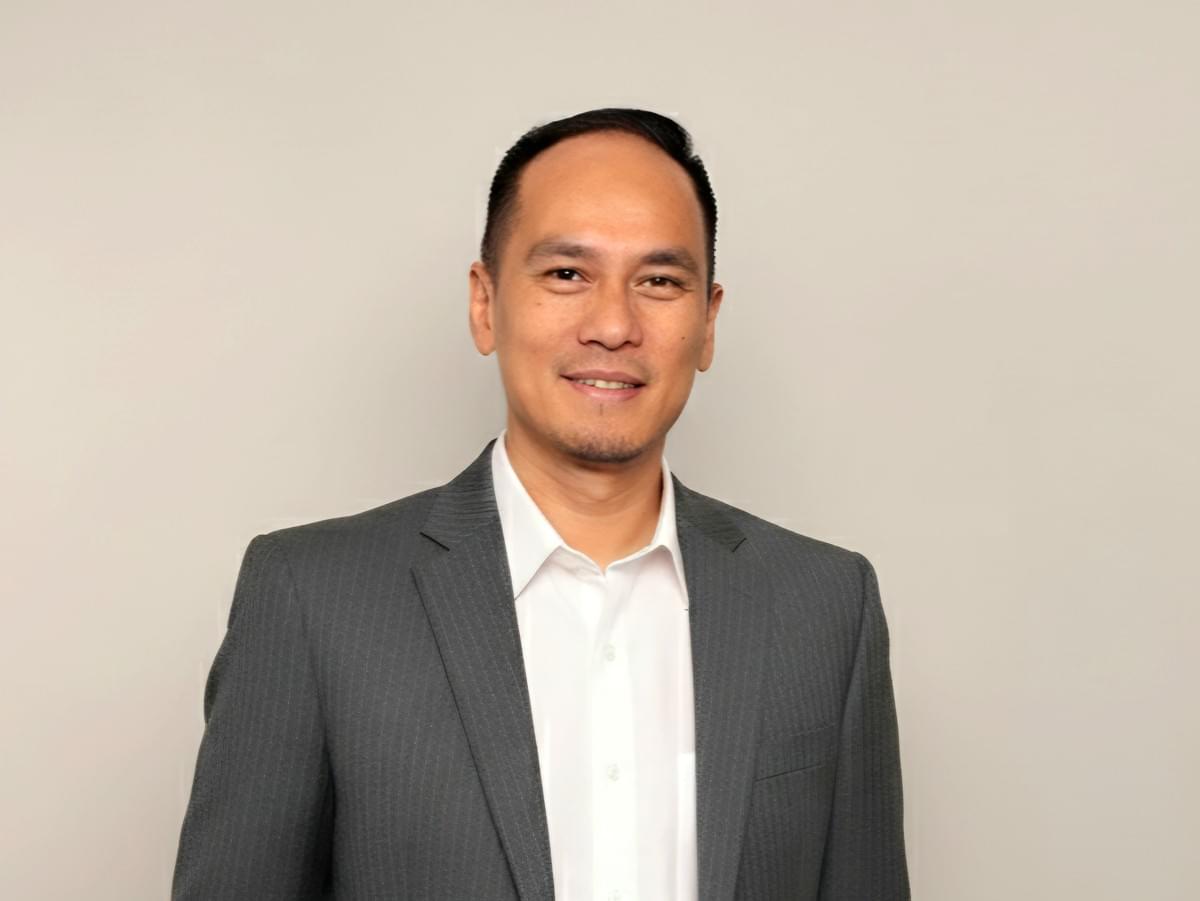
Arthur E. Undan-Lee is the President of SAHDEA and an advocate for Sabah’s human capital development. The views expressed are his own.