
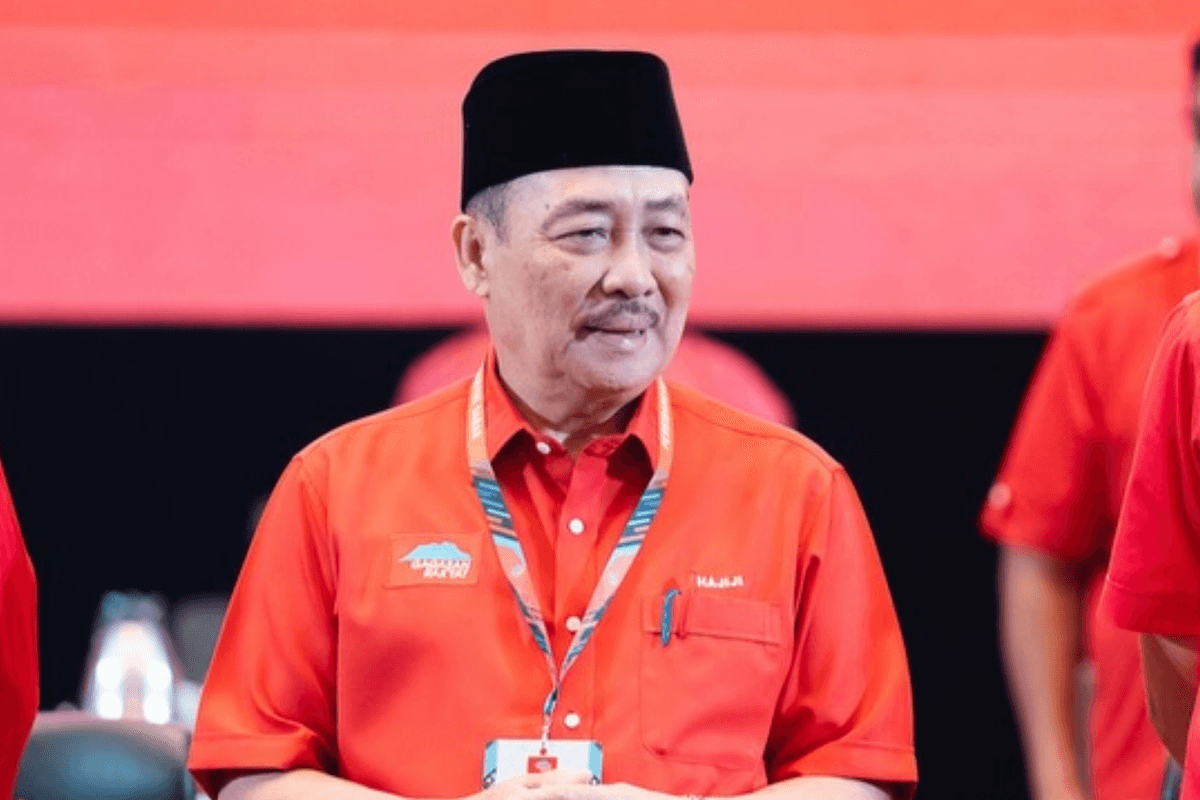
Kota Kinabalu (May 17) - Parti Gagasan Rakyat Sabah has approved amendments to its party constitution that will significantly reorganise its divisional structure ahead of the next general election, in what party leaders describe as a move to strengthen grassroots coordination and streamline election preparations across Sabah.
The constitutional amendment was approved during the party’s special general assembly held at the Sabah International Convention Centre, with delegates unanimously supporting the restructuring exercise.
Party president and Sabah Chief Minister Hajiji Noor said the amendment would allow the party’s divisions to be reorganised according to Sabah and Labuan’s 26 parliamentary constituencies, replacing the previous structure based on 74 state constituencies.
According to Hajiji, the restructuring is aimed at improving the party’s readiness for the 16th General Election (GE16) and strengthening operational efficiency at the parliamentary level.
“We are ready to face the coming election, organise our party strategy and strengthen the machinery based on parliamentary constituencies,” he said after the assembly.
He described the amendment as both timely and appropriate, noting that the next major electoral contest would focus on parliamentary seats rather than state constituencies.
Hajiji also confirmed that the amendments would now be submitted to the Registrar of Societies (ROS) for formal approval before the party proceeds with implementing its new structure.
“The constitutional amendments have been completed and unanimously supported. This means our restructuring from 74 divisions to 26 has been approved,” he said.
The assembly also saw participation from party wings including the Women, Youth and Beliawanis movements, alongside delegates from across Sabah and Labuan.
In addition to the restructuring announcement, Hajiji revealed that the party had received a fresh intake of former Parti Warisan Sabah members from Keningau during the gathering.
He also indicated that Gagasan Rakyat remains open to political cooperation with other parties if such partnerships would benefit Sabah and strengthen unity among the people.
“In politics, we must look at all possibilities broadly. If it brings benefits to the state and strengthens unity among the people, why not?” he said.
For Sabahans, the restructuring reflects how political parties in the state are already intensifying preparations for the next parliamentary election, even though GE16 has yet to be called.
By shifting from a state-seat-based structure to parliamentary-based divisions, Gagasan Rakyat appears to be placing greater emphasis on federal political influence and coordination across Sabah’s parliamentary constituencies.
Political observers believe the move could improve campaign efficiency and centralise party operations, especially in rural and geographically challenging districts where Sabah’s large land area often complicates political coordination.
The restructuring may also strengthen GRS’ bargaining position within federal political negotiations, particularly if Sabah-based parties seek greater influence over parliamentary seat allocations and coalition arrangements ahead of GE16.
For ordinary Sabahans, the immediate effects remain political rather than economic. However, stronger party organisation could eventually influence federal-state negotiations involving infrastructure allocations, MA63 implementation, development priorities, and resource distribution.
The move also signals that Sabah’s regional parties are continuing to consolidate their own political identity rather than relying entirely on Peninsular-based coalition structures.
At the same time, the influx of former Warisan members into Gagasan Rakyat suggests that political realignments within Sabah are still ongoing, with parties continuing to compete for grassroots influence ahead of future elections.
Overall, the constitutional amendment highlights how Sabah’s political landscape remains highly dynamic, with regional parties actively repositioning themselves in preparation for what could become a highly competitive GE16 environment.