
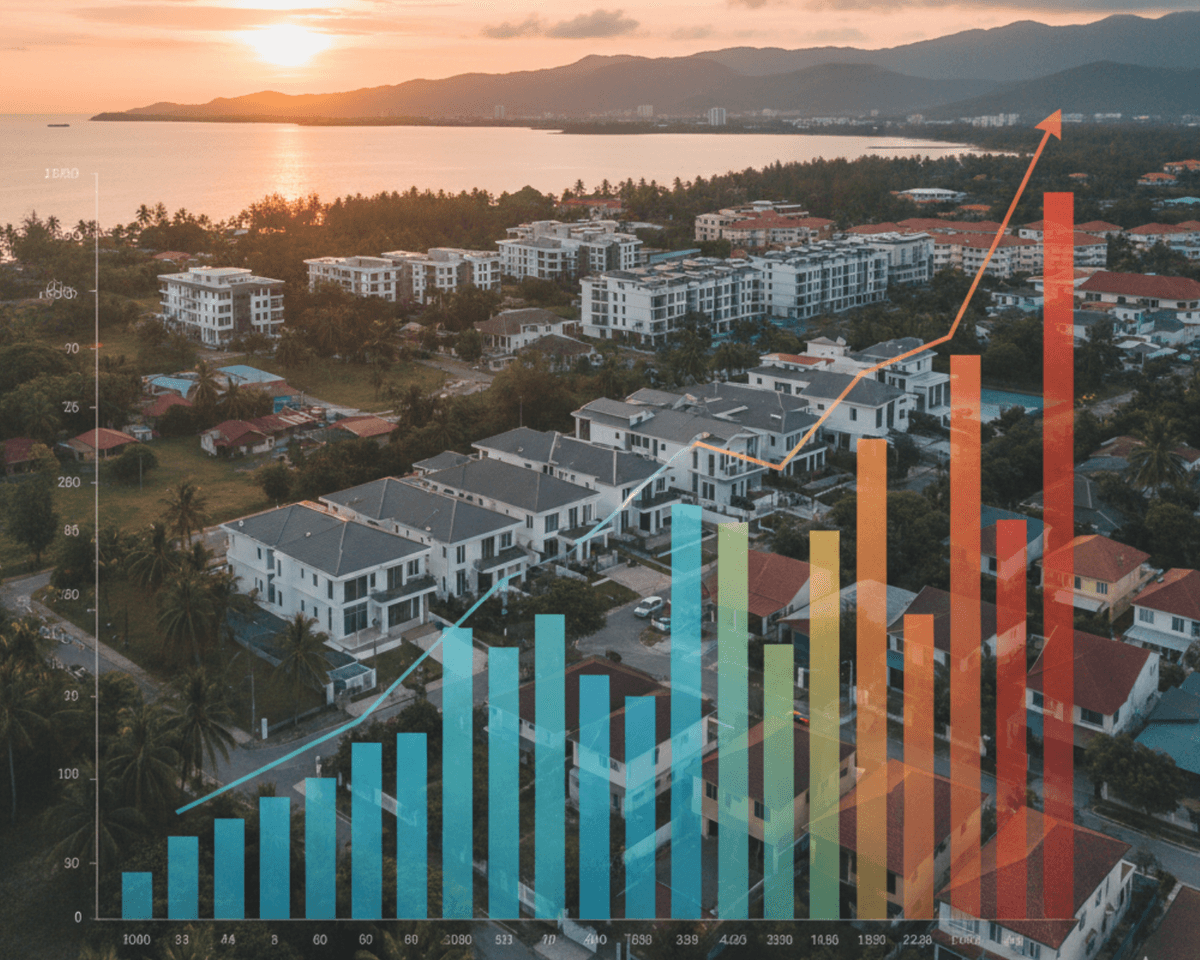
Rental prices in Sabah, particularly in urban centres such as Kota Kinabalu, have continued to rise even as overall economic growth and wage increases remain relatively modest. This trend has puzzled many tenants, especially young professionals and families, but a closer look at real-world factors reveals why rental pressure persists despite slower growth.
Supply constraints in key urban areas
One of the main drivers of rising rental prices is limited supply in high-demand locations. In Kota Kinabalu, areas such as Likas, Penampang, Inanam and the city centre have seen consistent demand for rental units due to proximity to workplaces, schools and hospitals. While new residential projects have been completed in recent years, many are priced at levels aimed at owner-occupiers or investors rather than the mass rental market.
Real estate transaction data and housing market commentary frequently show that a large proportion of new condominiums launched in Sabah are mid- to high-end units. These properties often enter the rental market at higher price points, pushing up average rents even if overall demand growth is moderate.
Higher ownership costs passed to tenants
Rising costs faced by landlords have also contributed to rental increases. Mortgage interest rates have remained elevated compared to pre-pandemic levels, increasing monthly repayment burdens for property owners. At the same time, service charges, sinking fund contributions and maintenance costs for strata properties have risen due to higher utility tariffs, insurance costs and building management expenses.
Landlords commonly adjust rents to offset these higher ownership costs. In practical terms, this means tenants are indirectly absorbing the impact of higher financing and maintenance expenses, even when their own incomes are growing slowly.
Urbanisation and internal migration
Sabah continues to experience steady internal migration from rural districts to urban centres. Young Sabahans moving to Kota Kinabalu for education and employment contribute to sustained demand for rental housing, particularly rooms and small apartments. This trend is reinforced by the concentration of higher-paying jobs, universities and healthcare facilities in the west coast region.
Although Sabah’s population growth rate is not among the highest nationally, the urban concentration effect means rental demand in specific locations remains strong, keeping prices elevated despite slower statewide growth.
Tourism and long-stay visitors
Another factor influencing rental prices is the overlap between the residential rental market and tourism-related accommodation. In Kota Kinabalu and coastal areas, a growing number of residential units are offered as short-term or medium-term rentals to tourists, expatriates and long-stay visitors.
Serviced apartments and condominiums that were once rented to local tenants are increasingly marketed to visitors staying one to three months. This reduces the supply of long-term rental units and puts upward pressure on rents for remaining properties. Property managers and landlords often report that short-term or flexible leases generate higher returns, making them more attractive than traditional year-long tenancies.
Construction cost pressures and slower new supply
While Sabah has ongoing construction activity, the pace of new affordable rental supply has not kept up with demand. Rising construction material costs, labour shortages and longer project timelines have made developers more cautious. As a result, fewer lower-priced units are entering the market, particularly in desirable urban locations.
Slower project launches do not immediately reduce demand, creating a mismatch where existing rental stock becomes more valuable. This imbalance helps explain why rents can rise even when broader economic indicators show slower growth.
Wage growth lagging behind housing costs
A key concern for tenants is that rental increases are outpacing wage growth. Average salaries in Sabah remain lower than in Peninsular Malaysia, and annual wage increments are often modest. This creates affordability stress, especially for younger workers and single-income households.
In real-life terms, tenants increasingly share units, rent smaller spaces or move further from city centres to manage costs. These adjustments highlight that rising rents are driven more by structural market pressures than by increased purchasing power.
Final thoughts
Rental prices in Sabah are rising not because of rapid economic growth, but due to a combination of limited supply in urban areas, higher landlord costs, internal migration, tourism-related demand and slow delivery of affordable housing. These factors interact to keep rental prices elevated even when income growth is moderate.
Without targeted policies to expand affordable rental supply, improve public transport links to outer districts and balance short-term accommodation with residential needs, rental pressure in Sabah is likely to persist. For many tenants, the challenge is no longer finding growth-driven opportunities, but adapting to a rental market shaped by structural and long-term constraints.
By Albert Lee