
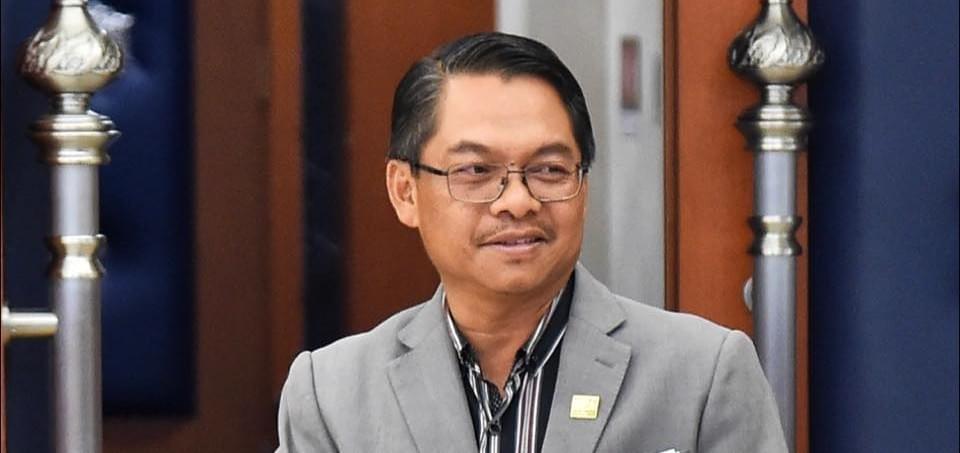
Kota Kinabalu (Feb 3) - Minister in charge of Sabah and Sarawak affairs, Datuk Mustapha Sakmud, has appealed to ethnic-based organisations and community leaders to help preserve stability and unity as negotiations continue over Sabah’s 40% net revenue entitlement under the Malaysia Agreement 1963 (MA63).
He noted that discussions between the Sabah government and the Ministry of Finance have shown progress, but acknowledged that sensitive issues arising during negotiations could trigger public unease if not managed carefully. In this context, he urged the Sabah United Association of Ethnic Bumiputera Native Council (Magebs) and leaders from various ethnic communities to guide their members towards a balanced understanding of the issue.
Mustapha stressed that while Sabah is asserting its constitutional rights, there is also a shared responsibility to safeguard harmony within the federation and across the state. He cautioned that mismanaged sentiments could lead to unnecessary strain between the federal and state governments, or even among civil society groups in Sabah.
He further called on ethnic leaders to actively support social cohesion and national development, adding that he is personally overseeing the negotiation process to ensure compliance with the timeline set by the courts.
The issue stems from a Kota Kinabalu High Court decision on Oct 17 last year, which affirmed Sabah’s entitlement to 40% of the net federal revenue generated from the state. The ruling directed the federal government to jointly review with Sabah the amount due for each financial year from 1974 to 2021. The court ordered that this review begin within 90 days and be completed within 180 days.
Following the ruling, a special committee was established to scrutinise tax data from federal agencies operating in Sabah as part of the assessment process.
For Sabahans, the outcome of these negotiations carries significant implications. The 40% entitlement is closely tied to the state’s ability to strengthen public finances, improve infrastructure, enhance social services and support long-term development. At the same time, maintaining unity and calm during this critical phase is seen as essential to ensuring that Sabah’s rights are pursued without undermining social stability or intergovernmental relations.