
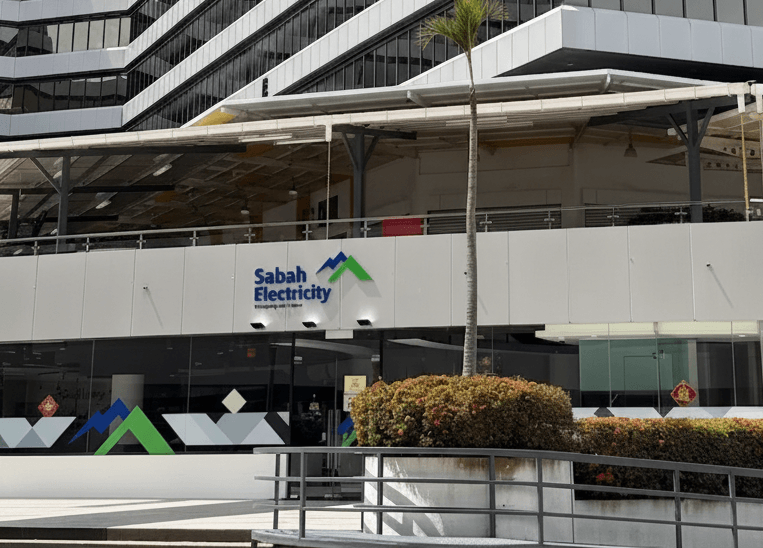
Kota Kinabalu (Feb 1) - Electricity charges in Sabah and Labuan will rise by slightly more than five sen per kilowatt-hour beginning Sunday, February 1, following the implementation of a revised tariff structure.
Under the new adjustment, the average basic electricity tariff increases from 34.52 sen to 39.70 sen per kWh. The revision is carried out within the Incentive-Based Regulation (IBR) framework and in accordance with the Electricity Supply Enactment 2024.
For most households, the impact is expected to be manageable. Domestic users consuming up to 600 kWh per month — representing around 85 per cent of total consumers — will experience an increase capped at approximately RM27. Small commercial users are projected to see monthly increases ranging between RM4 and RM24. The tariff revision factors in the welfare of households and small businesses, aiming to limit the financial burden on everyday users.
This marks Sabah’s first electricity tariff review in 12 years, with the previous adjustment having taken place in 2014, despite steadily rising costs involved in power generation and supply over the years.
The adjustment is intended to address increasing operational and maintenance expenses, finance critical infrastructure upgrades and align with the federal policy of gradually reducing electricity subsidies. For the second regulatory period, the actual average cost of supplying electricity is estimated at 45.08 sen per kWh, which remains higher than the newly approved tariff. To cover this gap, the Federal Government will provide RM849 million in subsidies over the 2026–2027 period.
The revised tariff is also seen as a necessary step to strengthen the long-term stability of Sabah’s electricity provider and ensure a reliable power supply for homes, businesses and industries across the state.
To cushion vulnerable groups, existing assistance remains in place. Rebates under the e-Kasih programme will continue for hardcore poor households, while discounted rates are maintained for welfare homes, houses of worship and educational institutions. In addition, a new 10 per cent discount will be introduced for the agriculture, aquaculture and fisheries sectors, supporting food security efforts.
For Sabahans, the tariff revision directly affects household expenses and business operating costs, but the continuation of subsidies, rebates and sector-specific discounts is expected to help ease the transition while supporting essential services and long-term energy reliability in the state.